Welcome to the middle of June! Summer is officially in full swing across the state. The lakes are packed, patios are open, and your tenants are likely spending more time outside enjoying the beautiful weather. While summer is arguably the best season in the Midwest, it brings a unique set of challenges for real estate investors.
With more outdoor activity comes an increased risk of property damage, personal injury, and legal disputes. As an investor, your primary goal is to generate wealth. However, generating wealth means very little if a single lawsuit can wipe out your entire portfolio.
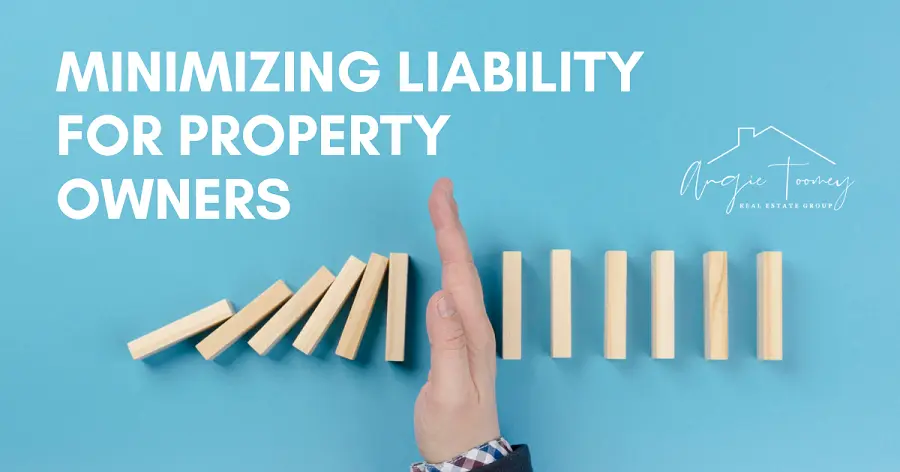
In the real estate industry, playing defense is just as important as playing offense. To protect the equity you have worked so hard to build, you must implement a rigorous strategy for minimizing liability for property owners in Minnesota.
Today, we are diving deep into the world of risk management. We will explore the legal structures that protect your personal assets, the seasonal hazards you need to monitor right now, and the operational systems that keep your Twin Cities rental properties safe, profitable, and compliant in 2026.
The Mid-June Reality: Summer Fun Brings New Legal Risks
During the winter months, your primary liability concerns revolve around slip-and-fall accidents on icy sidewalks or burst pipes. In the summer, the risk profile of your property shifts dramatically. Tenants are hosting barbeques, children are playing in the yard, and windows are left open.
A proactive investor does not wait for an accident to happen. They anticipate the risks and build operational walls to prevent them. Risk management is the process of identifying potential threats (physical, financial, and legal) and putting systems in place to neutralize them before they impact your bottom line.
The Foundation of Asset Protection: Insurance and Entity Structure
The absolute baseline for minimizing liability for property owners in Minnesota is ensuring you have the correct legal and financial shields in place. A standard homeowner's policy is never sufficient for a rental property. You need dedicated landlord insurance (also known as a DP3 policy) to cover the unique risks of tenant-occupied real estate.
The Power of the Umbrella Policy
Even with a robust landlord policy, liability limits can be exhausted quickly in the event of a severe accident. This is where a commercial umbrella policy becomes your best friend.
An umbrella policy sits on top of your existing insurance policies. If a tenant's guest is injured on your property and sues you for one million dollars, your primary landlord policy might cap out at three hundred thousand dollars. Without an umbrella policy, your personal assets (your primary residence, your retirement accounts, your savings) could be targeted to cover the remaining seven hundred thousand dollars. Umbrella policies are relatively inexpensive and provide massive peace of mind.
LLCs and the Corporate Shield
Many sophisticated investors choose to hold their rental properties inside a Limited Liability Company (LLC). If a lawsuit arises that exceeds your insurance coverage, the plaintiff can typically only go after the assets held within that specific LLC.
If you own three properties in the Twin Cities suburbs and place them all in separate LLCs, a lawsuit regarding Property A will not jeopardize your equity in Property B or Property C. Operating your properties through an LLC (and maintaining strict separation between your personal and business bank accounts) is a fundamental pillar of modern asset protection.
Operational Risk: The Tenant Screening Firewall
Your tenants are the biggest variable in your risk management equation. Placing a careless or financially unstable tenant in your property exposes you to massive operational risk. The most effective way to minimize this liability is to build an impenetrable screening firewall.
Navigating 2026 Fair Housing Compliance
The legal landscape surrounding tenant screening is more complicated in 2026 than ever before. Minnesota has strict guidelines regarding how landlords can utilize criminal background checks and eviction histories.
If your screening criteria are applied inconsistently, you open yourself up to devastating Fair Housing discrimination lawsuits. Professional property managers utilize standardized, legally vetted screening matrices to ensure every applicant is judged fairly, objectively, and in complete compliance with state and federal laws.
Financial and Background Vetting
Beyond legal compliance, you must protect your cash flow. A rigorous screening process verifies income (ensuring the tenant makes at least three times the monthly rent), checks credit history for patterns of delinquency, and contacts previous landlords to verify that the applicant did not leave their last home in ruins. A great tenant is the ultimate risk mitigation tool.
Physical Risk: Summer Safety in the Twin Cities
As we discussed, the mid-June weather brings specific physical risks that require immediate attention.
Balconies, Grills, and Fire Hazards
If you own a multi-family property or a condo in the Twin Cities Metro, balcony safety is paramount. Summer is grilling season. Many local fire codes strictly prohibit the use of charcoal grills or propane tanks on combustible balconies or within a certain distance of the building structure.
As a landlord, you must explicitly state these fire safety rules in your lease agreement and enforce them during your summer property inspections. Allowing a tenant to operate a grill dangerously exposes you to massive liability if a fire breaks out.
The Attractive Nuisance (Pools and Trampolines)
In the legal world, there is a concept known as an "attractive nuisance." This refers to something on your property that is particularly appealing (and dangerous) to children. The most common examples are swimming pools and trampolines.
If a neighborhood child wanders into your rental property's backyard and is injured on a trampoline, you (the property owner) can be held liable even if the child was trespassing. This is why professional property management companies typically ban trampolines entirely. If your property features a pool, you must ensure it is surrounded by a locked, code-compliant fence to minimize this specific liability.
Contractual Risk: The Ironclad Lease Agreement
Your lease agreement is your rulebook. If a dispute with a tenant ends up in a Minnesota courtroom, the judge will look directly at the lease. A generic, two-page lease downloaded from the internet will not protect you in 2026.
An ironclad lease agreement must address modern liabilities. It must include clear clauses regarding:
- Joint and Several Liability: If multiple roommates are on the lease, this clause ensures that every individual is fully responsible for the entire rent amount and any damages.
- Renter's Insurance Requirements: You must require your tenants to carry their own renter's insurance policy with a minimum liability limit. If a tenant accidentally starts a kitchen fire, their insurance should cover the damage, keeping the claim off of your primary landlord policy.
- Maintenance Reporting: The lease must legally obligate the tenant to report maintenance issues (like water leaks) immediately. This prevents a tenant from ignoring a leak for six months and then blaming the resulting mold on you.
Vendor Risk: The Danger of Unlicensed Contractors
When a repair is needed, it is incredibly tempting to hire the cheapest handyman you can find on social media. This is a massive mistake.
If an unlicensed, uninsured contractor falls off a ladder while cleaning the gutters at your rental property, they can sue you for their medical bills and lost wages. Trying to save one hundred dollars on a repair can easily cost you one hundred thousand dollars in legal fees.
Minimizing liability for property owners in Minnesota requires strict vendor vetting. You must only hire licensed, bonded, and insured professionals. Before any contractor steps foot on your property, you must obtain a copy of their Certificate of Insurance (COI) and ensure they carry adequate workers' compensation coverage.
Market Breakdown: Metro vs. Rural Liability Dynamics
Risk management strategies must be tailored to the geography of your investment.
The Twin Cities Metro: High-Density Risks
In the dense neighborhoods of the Twin Cities Metro, your liability footprint is concentrated. You have to worry about shared walls, common area maintenance, and the actions of neighboring properties. Slip-and-fall risks are higher due to increased foot traffic on public sidewalks that you are legally required to maintain. In the Metro, your lease agreements must be exceptionally tight regarding noise ordinances, parking rules,
and common area usage to prevent disputes between tenants.
Greater Minnesota: Distance and Delayed Response
If you own property in Greater Minnesota but live in the Metro, your biggest liability is distance. If a severe summer storm damages the roof of your rural duplex, you might not know about it for days if the tenant fails to report it.
Delayed response times turn minor damages into catastrophic liabilities. Managing rural properties requires a hyper-reliable network of local, insured vendors who can respond to emergencies immediately on your behalf.
The Proactive Approach: How Routine Inspections Mitigate Danger
As we highlighted in our previous updates, routine property inspections are your best line of defense.
A proactive inspection in mid-June allows you to check the smoke detectors, ensure the fire extinguishers are charged, verify that window locks are functioning, and confirm that there are no unauthorized pets or trampolines on the premises. Documenting these safety checks with date-stamped photos proves that you are a diligent, responsible property owner. If a liability claim is ever filed, this documentation is your strongest armor.
Shield Your Assets with Angie Toomey Real Estate Group
Real estate investing should be a vehicle for financial freedom, not a source of constant anxiety. If you are lying awake at night worrying about lawsuits, uninsured contractors, or non-compliant lease agreements, you are carrying too much of the burden yourself.
At Angie Toomey Real Estate Group, we specialize in asset protection. We construct the operational firewalls that keep our clients safe.
We utilize legally vetted, Minnesota-specific lease agreements. We require and verify tenant renter's insurance. We strictly dispatch only licensed, fully insured vendors for every single maintenance request. Most importantly, our rigorous tenant screening process ensures that only responsible, highly qualified individuals reside in your valuable property.
We manage the risk so you can enjoy the reward.
Is Your Rental Property Hiding Expensive Secrets?
Is Your Investment Portfolio Legally Protected?
Do not leave your hard-earned equity vulnerable to a single accident or a poorly written lease. The 2026
legal landscape requires professional oversight. Angie Toomey Real Estate Group provides comprehensive
property management designed to minimize your liability and maximize your peace of mind.
Our Risk Management Protocol Includes:
Ironclad Leasing: We utilize attorney-reviewed contracts that protect your rights and your assets.
Strict Vendor Vetting: We only work with licensed, fully insured professionals (zero liability for you).
Mandatory Renter's Insurance: We enforce strict insurance requirements for all placed tenants.
👉 Call or text our property management team today for a complete risk assessment of your rental portfolio!