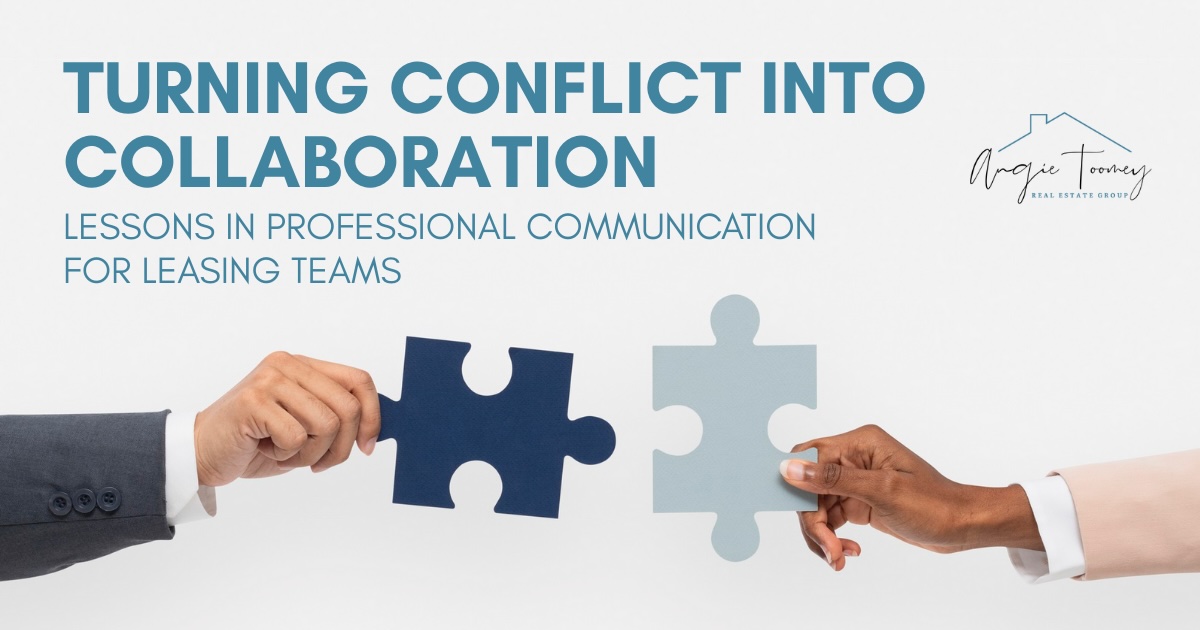
For leasing teams, communication and conflict resolution for leasing teams isn’t just a soft skill — it’s a daily operational necessity. Leasing professionals are often the first point of contact for prospects, tenants, and residents, which places them directly at the intersection of expectations, emotions, and outcomes.
In the Twin Cities rental market, where competition is strong and tenant experience matters, the ability to turn conflict into collaboration can set leasing teams apart. This guide explores how professional communication transforms difficult conversations into productive relationships — benefiting tenants, property owners, and leasing teams alike.
Why Communication and Conflict Resolution Matter for Leasing Teams
Leasing teams operate on the front lines of property management. Every interaction shapes how residents perceive the property, the management team, and the brand behind it.
Strong communication and conflict resolution:
Reduce tenant complaints
Improve lease conversion rates
Increase tenant retention
Protect leasing team morale
Prevent small issues from escalating
When leasing professionals communicate clearly and confidently, they create trust — even when delivering difficult information.
Common Conflict Scenarios Leasing Teams Face
Conflict is not a failure; it’s a reality of leasing operations. Common scenarios include:
Application denials or delays
Rent increases or fee explanations
Maintenance frustrations
Move-in or move-out disputes
Policy enforcement (pets, parking, noise)
Each situation presents a choice: escalate tension or guide the conversation toward collaboration.
Communication and Conflict Resolution as a Core Leasing Skill
Active Listening on the Front Lines
Effective leasing teams listen before responding.
Let residents explain their concern fully
Avoid interrupting or assuming intent
Acknowledge frustration without agreeing emotionally
Example: “I understand why that feels frustrating. Let’s walk through what we can do next.”
This approach immediately lowers defensiveness.
Managing Emotions Without Escalation
Leasing professionals often absorb emotional energy. Professional communication requires:
Neutral tone
Clear boundaries
Calm pacing
Responding emotionally escalates conflict. Responding professionally redirects it.
Turning Conflict into Collaboration Through Professional Communication
Conflict becomes collaboration when leasing teams shift the goal from “winning” to “resolving.”
Reframing Complaints as Conversations
Instead of treating complaints as problems
Treat them as information
Identify the underlying concern
Offer clear next steps
Example: A resident upset about maintenance delays may actually be concerned about safety or habitability — not just timing.
Setting Boundaries Without Creating Resistance
Leasing teams must enforce policies while maintaining rapport.
Use policy as a guide, not a weapon
Explain the “why” behind decisions
Offer alternatives when possible
Clear boundaries delivered respectfully build credibility.
Internal Communication: Supporting Leasing Teams Behind the Scenes
Leasing teams perform best when internal communication is strong.
Clear escalation paths
Consistent messaging from management
Alignment between leasing, maintenance, and leadership
Without internal clarity, leasing professionals are left managing conflict without support.
Training Leasing Teams for Long-Term Communication Success
Professional property management companies invest in communication training:
Conflict resolution frameworks
Role-playing difficult scenarios
Clear scripts for common situations
Ongoing coaching and feedback
This investment reduces burnout and improves tenant satisfaction.
“Clear communication turns conflict into collaboration — building trust, reducing friction, and creating better outcomes for leasing teams and residents alike.”
Why Professional Property Management Elevates Leasing Performance
Independent leasing teams often juggle too many roles. Professional property management provides:
Structured communication systems
Consistent policies
Support during difficult conversations
Neutral third-party conflict resolution
This structure allows leasing teams to focus on service, not stress.
Work With Angie Toomey Real Estate Group
Clear communication isn’t just a value — it’s a service pillar at Angie Toomey Real Estate Group.
Our Twin Cities property management team empowers leasing professionals with proven communication and conflict resolution strategies that turn challenges into collaboration. From handling resident concerns to supporting leasing staff during difficult conversations, we focus on clarity, professionalism, and long-term relationship building.
We don’t just manage properties — we support the people who manage relationships every day.
👉 Whether you’re building a leasing team or improving operations at an existing property, we help make property management clear, collaborative, and stress-free.
Ready to strengthen communication and elevate your leasing team?
Contact Angie Toomey Real Estate Group today for professional Twin Cities property management services.