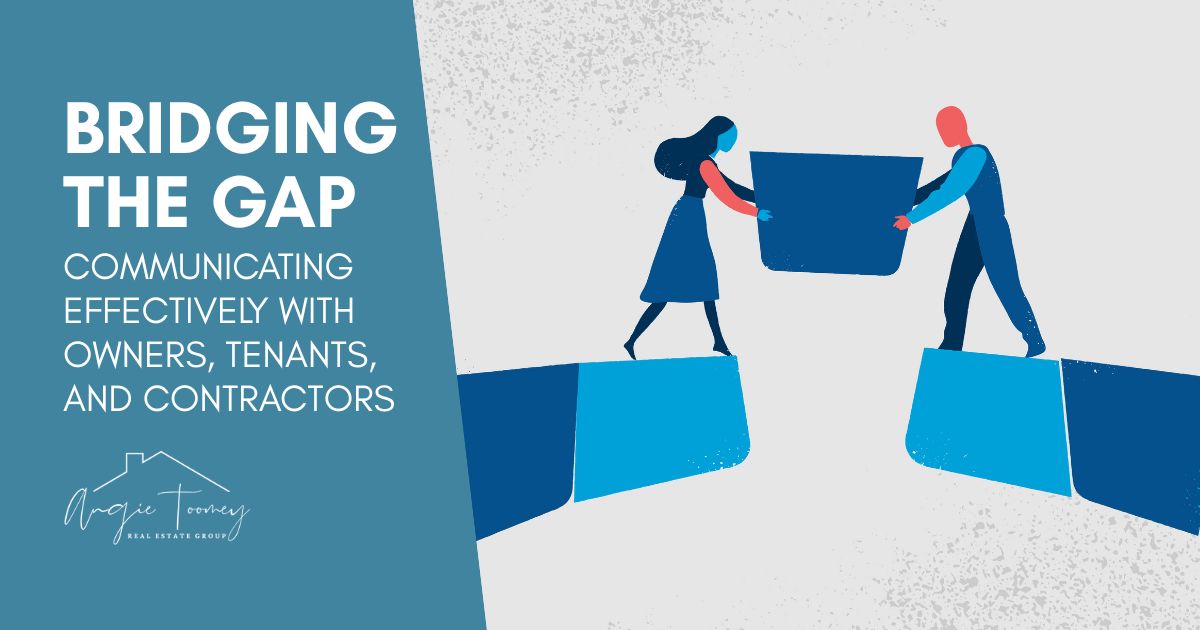
In successful rental operations, communication and conflict resolution in property management are not optional skills — they are essential systems. Property managers in the Twin Cities sit at the center of a three-way conversation between property owners, tenants, and contractors. When communication is clear, everyone stays aligned. When it breaks down, small misunderstandings quickly turn into costly conflicts.
This guide explores how professional property managers bridge communication gaps, prevent disputes, and create smoother experiences for all parties involved — while protecting property value and long-term relationships.
Why Communication and Conflict Resolution Matter in Property Management
Property management is fundamentally a people business. While leases, maintenance schedules, and financials matter, communication determines how smoothly everything operates.
Strong communication and conflict resolution allow property managers to:
Reduce tenant turnover
Prevent owner frustration
Keep contractors accountable
Resolve issues before emotions escalate
Protect time, money, and reputation
In Minnesota’s competitive rental market, responsive and transparent communication is a differentiator that tenants and owners notice immediately.
The Three Communication Lines Every Property Manager Balances
Professional property management requires managing three distinct audiences — each with different expectations, priorities, and communication styles.
Communicating with Property Owners
Property owners want clarity, control, and confidence. Common concerns include:
Property performance
Maintenance costs
Tenant behavior
Compliance with Minnesota regulations
Effective communication with owners includes:
Regular reporting
Clear explanations of decisions
Proactive updates, not reactive apologies
Honest timelines and cost expectations
When owners feel informed, they trust the process — even when challenges arise.
Communicating with Tenants
Tenants value responsiveness and fairness. Their primary concerns often involve:
Maintenance issues
Rent and lease questions
Property rules
Safety and habitability
Successful tenant communication:
Acknowledges concerns promptly
Sets realistic expectations
Uses professional, neutral language
Avoids emotional or defensive responses
Clear communication prevents complaints from becoming conflicts and builds long-term tenant satisfaction.
Communicating with Contractors and Vendors
Contractors are critical partners, yet miscommunication here can derail timelines quickly.
Effective contractor communication includes:
Clear scopes of work
Written approvals
Defined deadlines
Consistent follow-up
When contractors know expectations upfront, jobs are completed faster, more accurately, and with fewer disputes.
Communication and Conflict Resolution — Where Breakdowns Happen
Most property management conflicts begin with small gaps:
A maintenance request goes unanswered
A repair timeline isn’t explained
An owner isn’t notified before work begins
A contractor receives incomplete instructions
Without proper communication and conflict resolution systems, these moments escalate into frustration, mistrust, and strained relationships.
Proven Communication and Conflict Resolution Strategies
Set Expectations Early
Strong communication starts before issues arise.
Outline maintenance response times
Explain approval processes
Clarify emergency vs. non-emergency issues
Review lease responsibilities clearly
Clear expectations eliminate assumptions — the root cause of most conflicts.
Choose the Right Communication Channel
Not every message belongs in the same place.
Urgent issues: phone or portal alerts
Routine updates: email or dashboards
Documentation: written records
Consistency across channels prevents confusion and protects all parties.
Document Everything
Documentation supports transparency and accountability.
Maintenance requests
Vendor approvals
Tenant communications
Owner authorizations
Clear records reduce disputes and provide clarity when questions arise.
Using Communication to Prevent Conflict Before It Starts
Proactive communication is the most effective conflict resolution strategy.
Examples:
Updating tenants on maintenance delays
Explaining weather-related scheduling challenges
Notifying owners before repairs exceed budgets
Following up after work is completed
When people feel informed, they remain patient and cooperative.
“Effective communication turns complex property relationships into coordinated partnerships — reducing conflict and strengthening trust.”
Technology as a Communication Bridge
Modern property management tools strengthen communication and reduce friction:
Tenant portals for maintenance and messaging
Owner dashboards for real-time updates
Digital work orders for contractors
Automated notifications and reminders
Technology ensures everyone receives the same information at the same time.
Why Professional Property Management Makes the Difference
Managing communication between owners, tenants, and contractors requires experience, structure, and neutrality.
Professional property managers:
Act as a buffer in difficult conversations
Resolve issues without emotional escalation
Maintain compliance with Minnesota regulations
Protect long-term relationships
This level of coordination is difficult for self-managing landlords to maintain consistently.
Work With Angie Toomey Real Estate Group
Clear communication isn’t just a value — it’s a service pillar at Angie Toomey Real Estate Group.
Our Twin Cities property management team specializes in communication and conflict resolution, ensuring owners, tenants, and contractors stay informed, aligned, and supported every step of the way. From maintenance coordination to sensitive conversations, we focus on clarity, professionalism, and proactive solutions.
We don’t just manage properties — we manage relationships.
👉 Whether you’re a seasoned investor or renting out your first Twin Cities home, we make property management simple, transparent, and stress-free.
Ready to improve communication and protect your investment?
Contact Angie Toomey Real Estate Group today for professional Twin Cities property management.