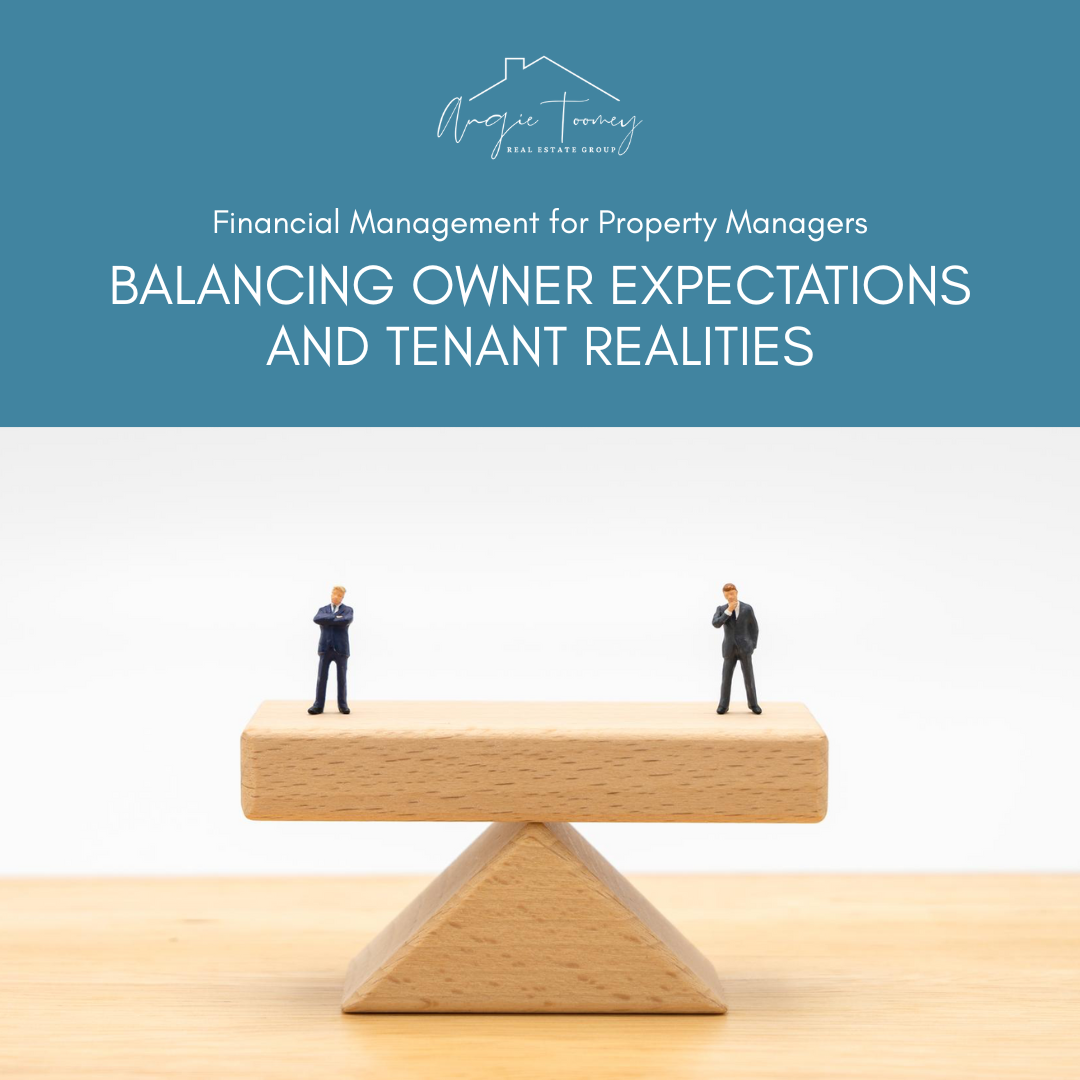
Managing properties in the Twin Cities is more than just collecting rent and coordinating repairs. Financial management for property managers is a balancing act—juggling owner expectations for high returns while addressing tenant realities that impact cash flow. The key is combining strategy, transparency, and a little Twin Cities know-how.
Why Financial Management Matters in Property Management
Financial management for property managers is the backbone of successful property operations. Without careful planning, budgets can spiral out of control, owners get frustrated, and tenants face inconsistent service. Proper financial oversight helps:
Keep property owners satisfied with consistent ROI
Reduce vacancies by maintaining affordable rents
Plan for unexpected expenses like emergency repairs or market shifts
Understanding Owner Expectations in the Twin Cities Market
Property owners naturally want to see strong returns. But expectations need to be realistic, especially in a market like the Twin Cities, where maintenance costs, tenant turnover, and market trends can impact profitability.
Return on Investment vs. Property Maintenance
Owners may prioritize ROI, but property managers must balance this with necessary maintenance. Skipping repairs can lead to higher costs later, like:
Mold remediation or plumbing disasters
Tenant turnover due to dissatisfaction
Legal complications from unmet housing codes
A proactive financial approach means setting aside funds for regular upkeep while still tracking profit margins.
Clear Reporting and Transparency
Owners love numbers—if you present them clearly. Providing monthly statements, detailed expense breakdowns, and predictive forecasts creates trust. Financial management for property managers includes:
Itemized reports for repairs, utilities, and taxes
Annual budget reviews with realistic projections
Communication about market changes and unexpected costs
A proactive financial approach means setting aside funds for regular upkeep while still tracking profit margins.
Navigating Tenant Realities for Long-Term Success
Balancing owner expectations isn’t enough—you also have to account for tenant realities. Happy tenants stay longer, which means fewer vacancies and better long-term profits.
Rent Affordability and Payment Challenges
The Twin Cities rental market can be competitive, and even responsible tenants may occasionally experience unexpected hardships — such as the loss of a family member or a sudden change in household income. In these moments, strong landlord–tenant relationships matter.
Financial management strategies include:
Working with tenants who have a solid rental history but encounter temporary challenges
Offering compassion and clear communication so expectations remain transparent
Adjusting rental rates based on market trends rather than solely on owner expectations
This approach maintains consistency in collections while nurturing long-term, high-quality tenant relationships.
Maintenance Requests and Cost Considerations
Tenants expect prompt, high-quality maintenance. Delaying fixes might save money short-term but can damage relationships and result in bigger costs later. Property managers can:
Prioritize preventive maintenance
Keep an emergency reserve fund
Use local vendors to minimize expenses while ensuring quality
Practical Financial Strategies for Property Managers
So how can you keep both owners and tenants satisfied while staying financially sound?
Budgeting Like a Pro
A solid budget is the foundation. Include:
Operating expenses: Utilities, landscaping, insurance
Capital improvements: Roofs, HVAC, appliances
Contingency funds: 10–15% of monthly income for emergencies
Reserve Funds and Emergency Planning
Unexpected expenses happen. An emergency reserve fund allows you to:
Handle tenant emergencies quickly
Avoid dipping into owner profits
Keep the property competitive and safe
Leveraging Technology for Tracking Finances
Modern property managers rely on software to streamline financial management:
Automated rent collection
Expense tracking dashboards
Maintenance request logging for transparent cost allocation
Communication is Key: Bridging Owners and Tenants
Financial management is only effective when communication is clear. Keep both parties informed with:
Monthly financial summaries for owners
Prompt maintenance updates for tenants
Market insights to explain rent adjustments
Transparency reduces conflict, builds trust, and improves overall property performance.
Real-Life Examples from the Twin Cities
Consider a local duplex in the Twin Cities where rent expectations were high, but the HVAC system needed repair. By maintaining a reserve fund, the property manager fixed the issue quickly, kept tenants happy, and still provided a solid ROI to the owner.
Conclusion: Smart Financial Management Equals Win-Win
Financial management for property managers in the Twin Cities isn’t about choosing between owners and tenants—it’s about creating win-win solutions. By budgeting wisely, communicating clearly, and leveraging technology, property managers can meet expectations, maintain property value, and keep tenants happy.
Ready to take your property management strategy to the next level?
We are here to help! Angie Toomey Real Estate Group specializes in financial management for property managers across the Twin Cities. From budgeting to tenant relations, we help balance owner expectations with real-world tenant realities. Contact us today and discover how we can make your properties profitable and stress-free.